


















After the era of “Tomodachi Life” ended in 2013, it left fans wanting more to keep the spirit of the game going.
Unfortunately, no game has come close to it. . . until now!
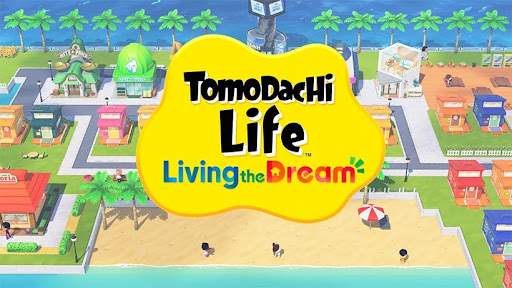
On March 27th, 2025, Nintendo announced “Tomodachi Life: Living the Dream,” which had fans excited for its return on April 16th, 2026.
Although I never played the original game, I felt left out when people were expressing their amusement in playing the game. So much so that I bought the game myself to see what all the fuss was about.
Now you’re probably wondering, “Should I buy it?” You definitely should.
Matt Sowinski from But Why Tho? writes, “Tomodachi Life: Living the Dream, the latest entry in the social simulation game coming from Nintendo, is a total fever dream. It’s ridiculous, hilarious, and you truly never know what the next interaction brings.”
I can’t lie, when I first jumped into the game and made my first Mii, the little characters that inhabit your island, I had so much fun to the point where I was playing for hours until I eventually forced myself to stop.
My favorite part is definitely creating the Miis because of how much creative freedom the game allows.
Sowinski expands on this point as he explains, “Tomodachi Life: Living the Dream lets your Miis be whatever and whoever you want them to be. You can choose their gender, relationship preference, real-world connections, and more.”
These features along with same-sex relationships and pronouns were not included in the first iteration of the game on 3DS. I find this inclusivity from Nintendo refreshing and representative of a modern day society.
Another thing that “Tomodachi Life: Living the Dream” has done a good job of is how the Miis interact with each other on the island.
The game allows players to insert any phrases, terms, objects, activities, and more into the game which becomes island lingo that Miis will talk about to one another without having to be prompted.
Emiliano Cortez-Contreras from The Daily Nebraskan expresses that “Another thing that has improved in the sequel is its dialogue, since it somehow manages to keep the charm from the 3DS game while adding a lot more variety and humor.”
I’ve never played the 3DS game, but I can agree with him on the dialogue options of its sequel.
There is no filter on the words you put into the dialogue, so the choices on what you want your Miis to talk about are ultimately endless.
When a Mii wants to become friends with another, they typically seek advice from the player on what they should talk about.
Most of my Miis, which are Mii versions of me, my friends, some fictional characters, and celebrities, often end up becoming friends by bonding over eating Arby’s or ragebaiting.
These are only two examples of the infinite possibilities that “Tomodachi Life: Living the Dream” offers.
Another example is the island customization, which Cortez-Contreras expands on:
“There is a lot more freedom when it comes to interacting with the Miis as well as the island itself. You can customize your island by expanding territory, adding interactive items or moving around structures and houses.”
In the early stages of the game, it gives you certain buildings such as a clothing shop, a grocery store, a restaurant, and even a ferris wheel that you can place for Miis to interact with.
Some buildings can show you a number of different cutscenes ranging from a meeting of the fanclub of someone that you have added to the island lingo to a meeting of Miis dressed as robots also using island lingo.
In addition to those buildings, every Mii that you make is given a house you place for them to live in. Unlike the structures mentioned above, the interior and exterior are customizable, giving you opportunities to make every Miis house match their aesthetic as you see fit.
Miis can also move in with each other after building a strong enough relationship. This allows for more space since their houses are combined to create an even bigger one.
I can go on and name all of my favorite things about the game, but these are ultimately my top favorites.
Unfortunately though, there are some things that I believe the game could do better with.
The first thing being how quickly Miis build relationships with each other. My first Mii started dating another one on my island, and they got married only a few days after dating.
While I don’t think it should have the pacing of a real-life relationship, it should not be that easy for Miis to fall in love and get married.
Another criticism I have is highlighted by Josie Adjanohoun from The Argonaut when she writes, “In Tomodachi Life: Living the Dream” there is a large lack of activities that you can do with your Miis on the island.”
This is sad but true. Miis only go on walks, hang out at the restaurant, or go to the ferris wheel. I feel that Nintendo could’ve done a better job at including more things for Miis to do on the island.
“Original features such as the Music Hall, where players can generate songs for their Miis to sing; Tomodachi Quest, an RPG style mini game where Miis fight inanimate objects; and Quirky Questions/Judgement Bay are no longer included in the game.” Adjanohoun explains.
I was disappointed to hear that certain features in the original game were not included in the sequel.
As a music lover myself, I would have loved to use the Music Hall. Miis still sing but it’s only seen in certain cutscenes that you cannot prompt them to play.
Despite the game’s ability to be better, I believe that Nintendo has done a wonderful job at reigniting this spark of a game that burnt out in the past.
If you have the time and money, go buy “Tomodachi Life: Living the Dream” to “Live the Dream” yourself!