



















It’s summer, Fourth of July and you’re sitting outside with your friends watching the colorful displays that we call “fireworks” explode in the sky. You aren’t thinking of much, instead you’re just living in the moment. What you lack to think about, is the long lasting effects fireworks have on the place we call our home.
According to the American Lung Association, “Americans release almost 300 million pounds of fireworks into the atmosphere each year.”
Though you may not think that has any effects on the environment, it does. E+E Leader says that it can cause “birds (to) abandon nests, mammals (to) experience panic reactions, and even invertebrates (to) show altered behaviors in response to the abrupt disturbances and chemical residues left behind.”
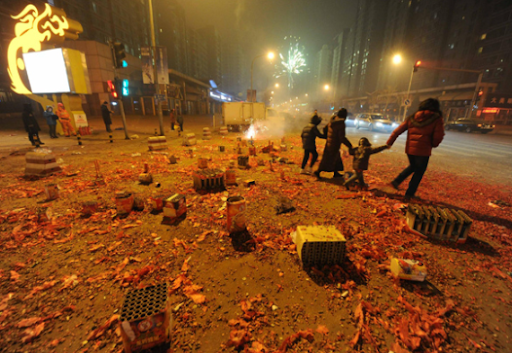
On celebrations like Fourth of July, New Years Eve, Diwali (Festival of Lights) and Guy Fawkes Night, fireworks are ignited with no remorse and no afterthought of how it affects our planet.
When fireworks explode, they release metals like aluminum, manganese, and cadmium, along with gases like sulfur dioxide, nitrogen oxide, carbon monoxide, and carbon dioxide that “can deeply penetrate our lungs, increasing the risk of respiratory illnesses such as asthma and heart disease.”
In saying that, “a 2015 study found that air pollution levels increased by an average of 42% on the Fourth of July.” If you weren’t aware beforehand, air pollution is a contributor to cases of chronic cough and other lung diseases. Not to mention if you have chronic obstructive pulmonary disease or asthma, it can cause flare ups.
Fireworks don’t only pollute the air we breathe, “post-celebration, firework residues settle in nearby lakes, rivers, and oceans,” E+E stated. Over time, these pollutants that fireworks produce degrade water quality and introduce toxins that inevitably harm aquatic life. This can cause developmental deformities in fish and amphibians, going as far as causing fatal harm.
Alongside polluting bodies of water and our air, fireworks pollute the soil. Perchlorate, which can affect thyroid hormone production and fetal development, is often associated with polluting soil and is long-term. In the soil it can disrupt plant nutrient uptake, increase the amount of metals plants uptake, and reduce crop yields.
Climate change, among other things, is yet one more thing that is affected by firework pollution. According to earth.org it was found that “atmospheric heat content becomes greater [and] surface air temperature is elevated.”
As many know, climate change affects earth’s average weather patterns, rising sea levels, global warming and melting ice which are major contributors to our eroding environment.
In saying that, there are alternatives to fireworks that don’t involve harmful materials.
For example, cities like California and Tahoe City have replaced their firework displays with drone and laser shows. Displays like these reduce air pollution, noise pollution, and they don’t serve as fire hazards.
Now, we even have pyro drones, while in my opinion aren’t as nature-friendly as laser or drone shows, are still a great alternative to fireworks. According to Cyber Drone, “their smaller, precisely timed pyrotechnic effects significantly cut down on emissions, reducing the environmental footprint without compromising the spectacle,” meaning that they’re significantly more eco-friendly and more sustainable than fireworks while still being just as appealing.
When all is said and done, as beautiful and as exciting fireworks can be they are simply not worth the sloth-like annihilation of our planet. With the alternatives that there are and progressive technology, even cleaner ways of extravaganza will become more and more accessible.